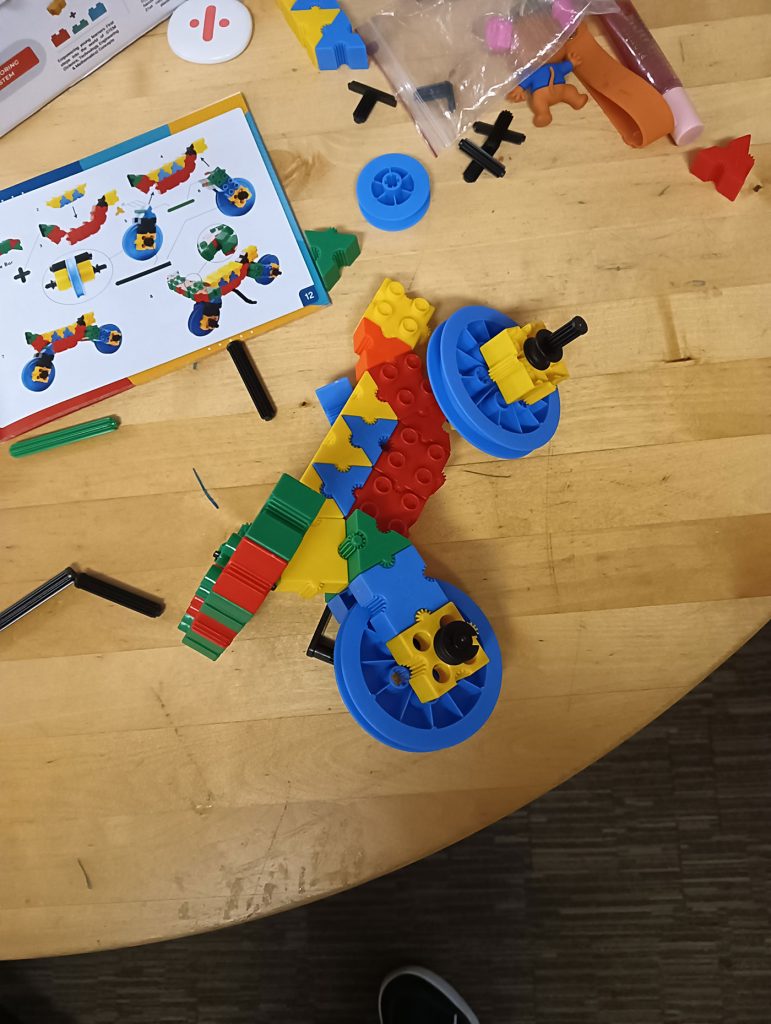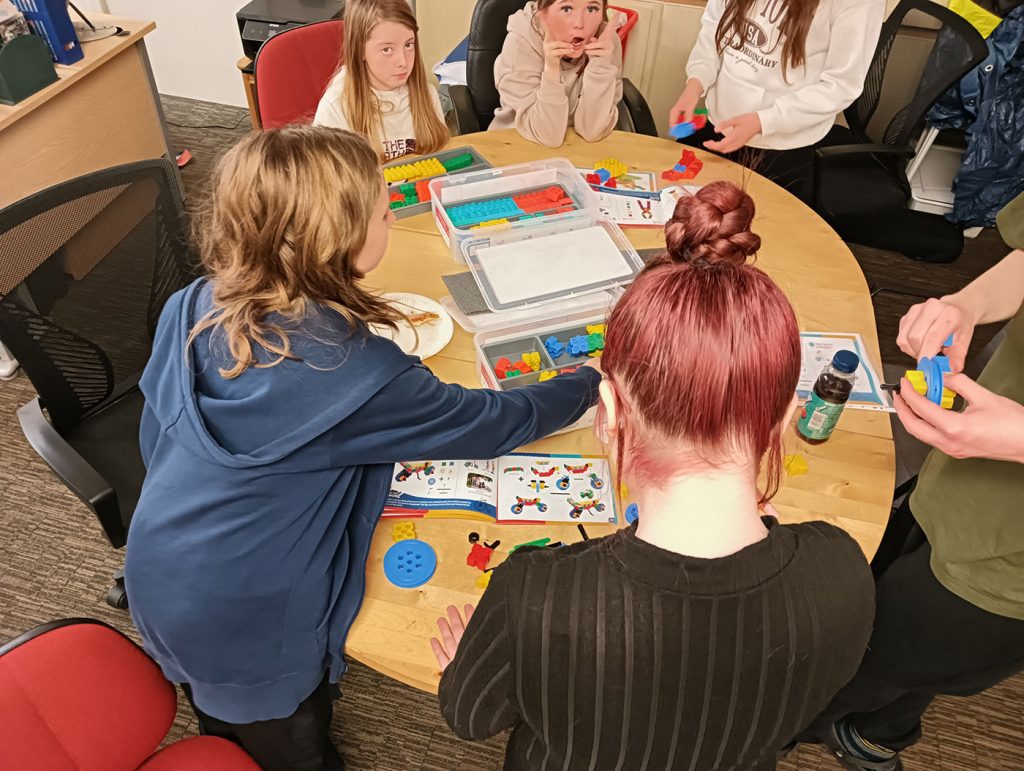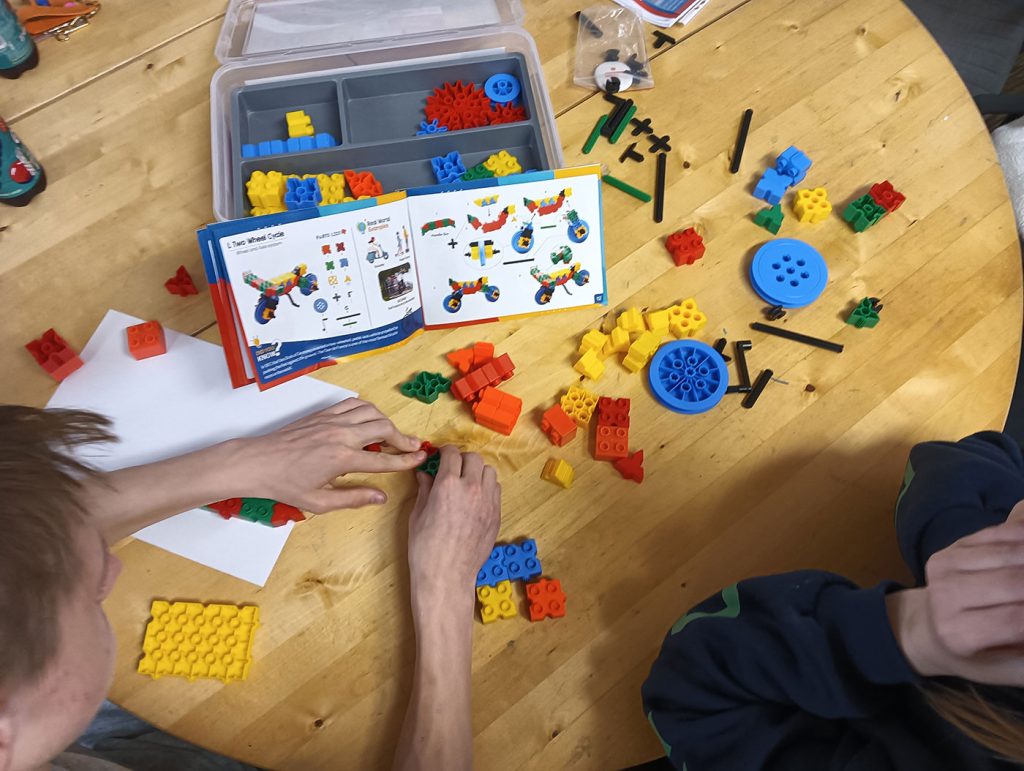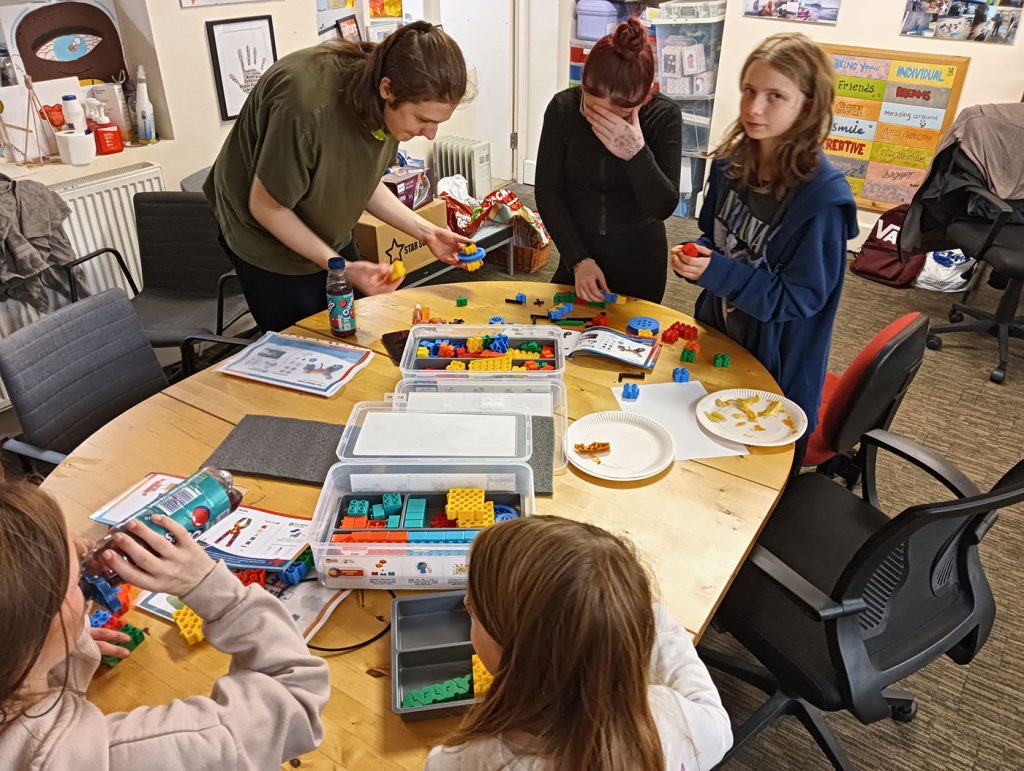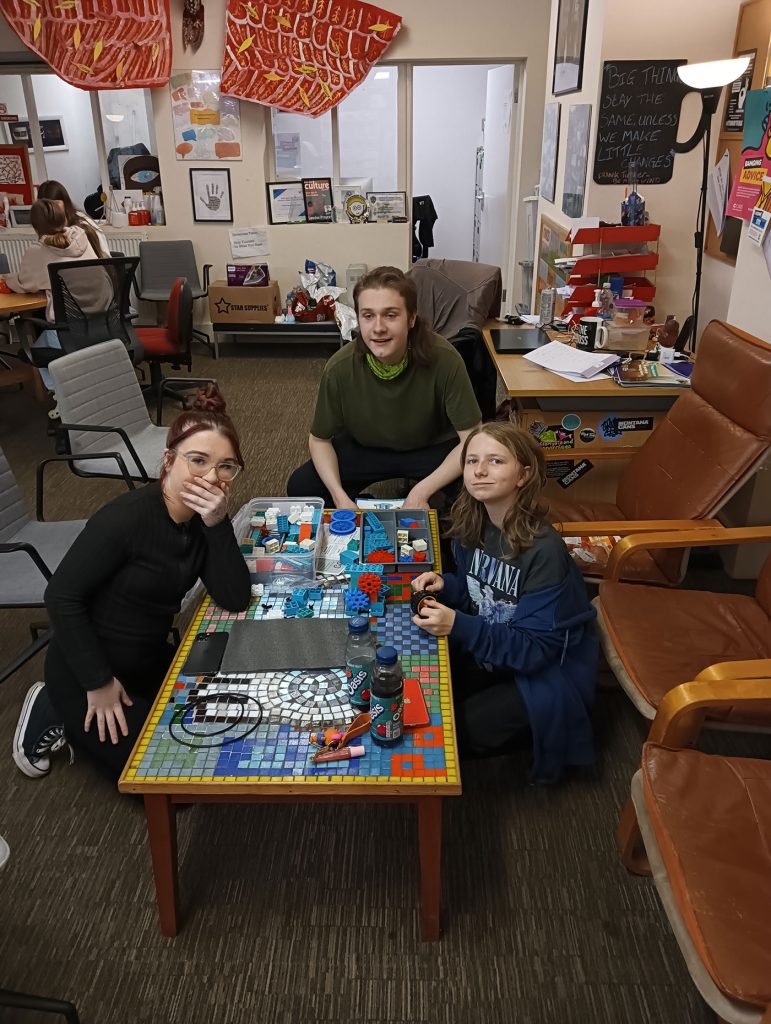
The young people got a lot from the session. We plan to use them again in future sessions.
They were stimulating and helped some of our more difficult young people concentrate.
They also completed tasks and were proud of their final product. Often, it is difficult to get them to finish their projects, all of which are super life skills.
“We have had tremendous enjoyment using the kits within the PDYP while working with young people aged 12 to 17 years. The kits have proven to be a highly engaging and flexible resource that can be used across a wide range of youth work sessions, particularly those focused on team building, problem-solving, and critical thinking. Importantly, the activities are genuinely fun and enjoyable, which helps to draw young people in, sustain their interest, and encourage active participation.
The activities provide young people with the opportunity to slow down, focus, and engage meaningfully with tasks, encouraging them to think things through, analyse information, and communicate their ideas clearly with peers. The hands-on, playful nature of the kits supports experiential learning, allowing young people to be creative, try out ideas, make mistakes, and learn through trial and error in a relaxed and supportive environment.
From a youth work perspective, the kits have been especially valuable in supporting relationship-building and positive group dynamics. The fun, shared experience helps to reduce pressure and break down barriers, particularly within new or forming groups. Young people are encouraged to work together, laugh together, negotiate roles, and support one another, which strengthens trust, respect, and mutual understanding.
Overall, the kits have supported not only the development of practical and cognitive skills, but also increased confidence, social skills, and a sense of enjoyment in learning. They have contributed positively to group cohesion and engagement, helping to create an inclusive and welcoming environment where young people feel comfortable participating, expressing themselves, and developing both individually and as part of a group.”